Category: paintless dent removal

  • Paintless Dent Removal | Dent Removal Fallbrook

    Understanding Paintless Dent Removal: A Beginner’s Guide
    paintless dent removal

    Paintless Dent Removal (PDR) has gained significant traction in the automotive repair industry, offering an efficient and cost-effective solution for minor dents and dings. For car enthusiasts and everyday drivers alike, understanding this innovative technique can be essential for maintaining their vehicle’s appearance and value. This beginner’s guide will explore the fundamentals of PDR, breaking down its processes and the essential tools needed for those interested in venturing into this realm.

    As more people look for ways to restore their vehicles without resorting to traditional bodywork methods, the allure of PDR is hard to ignore. This article aims to demystify the process and provide insights into the essential techniques and tools, ensuring that anyone can grasp the basics of this artful repair method.

    Demystifying Paintless Dent Removal: How It Works

    Paintless Dent Removal is a method that involves gently massaging the metal surface of a vehicle to restore it to its original shape without the need for fillers or repainting. The process typically starts with identifying the type and extent of the damage, as well as the material composition of the vehicle’s body. Technicians use specialized lighting to highlight the dent, making it easier to assess how to approach the repair. The key principle behind PDR lies in the fact that metal can be manipulated and reshaped without compromising its integrity.

    Once the assessment is complete, the technician will use a combination of tools to push the dent out from behind the panel, or, in some cases, pull it from the front. This requires a steady hand and a keen eye, as PDR seeks to restore the vehicle’s original contours while avoiding any damage to the paint. The technique is effective for most small to medium-sized dents, especially those caused by hail or minor collisions, and it preserves the factory finish of the vehicle, making it a popular choice among car owners.

    Essential Techniques and Tools for Beginners in PDR

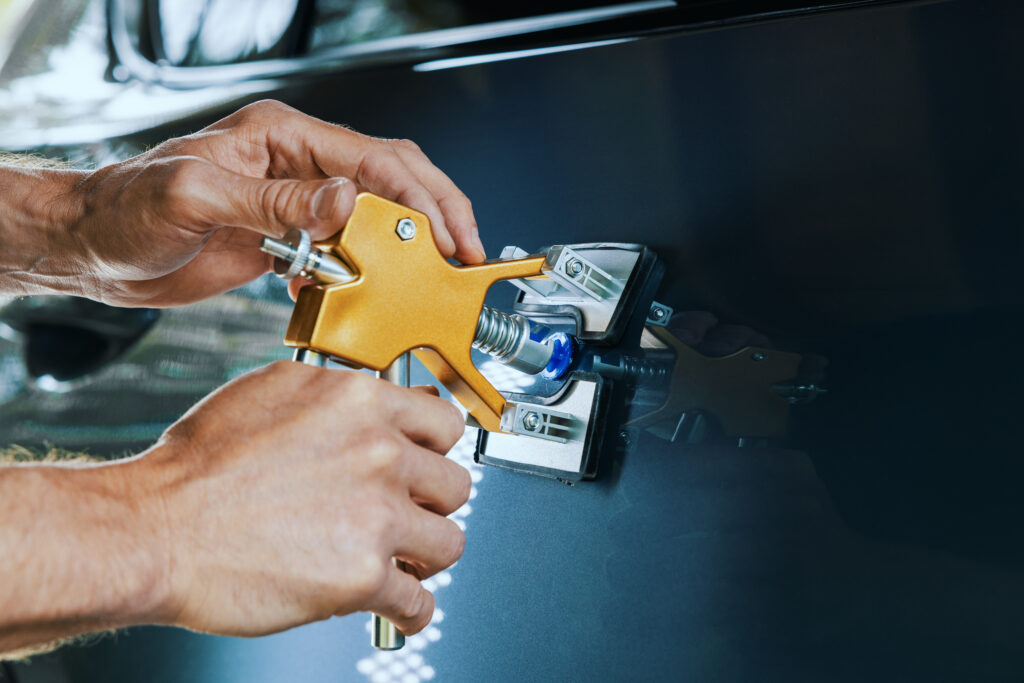
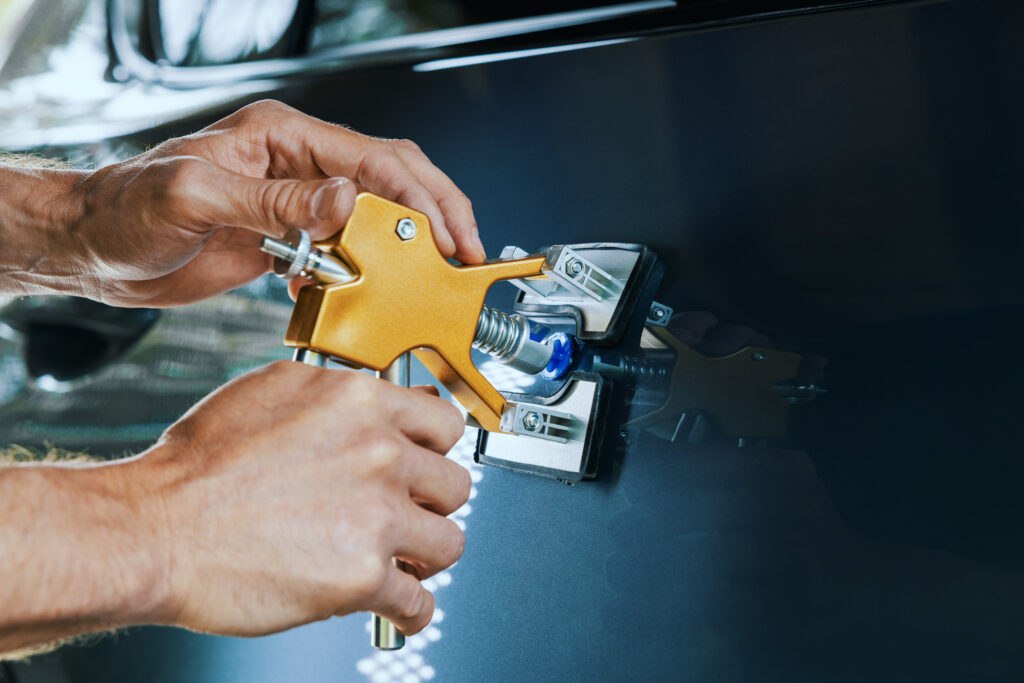
    For those new to Paintless Dent Removal, a few fundamental techniques are important to grasp. The most common method involves the use of a dent repair rod, which is designed to slide behind the panel and gently push the dent outward. Additionally, a glue-pulling system can be utilized when access to the back of the panel is limited. This involves applying a special adhesive to a tab that is then attached to the dent. Once the adhesive sets, a pulling tool gently removes the dent by leveraging the tab.

    In terms of tools, beginners should invest in a starter kit that includes basic equipment such as a variety of dent repair rods, a glue gun with adhesive tabs, and a rubber mallet for tapping down high spots. Furthermore, a reflective board is invaluable for assessing the panel’s surface and ensuring a smooth finish. While learning the intricacies of PDR can take practice, understanding these essential techniques and tools lays a solid foundation for anyone looking to explore this rewarding skill.

    Paintless Dent Removal is not just a repair technique; it represents an art form that combines precision and craftsmanship. By understanding the fundamentals of how PDR works and familiarizing oneself with the essential tools and methods, beginners can develop a skill that not only enhances their automotive knowledge but also contributes to maintaining the aesthetic and resale value of vehicles. Whether you’re a DIY enthusiast or just looking to learn more about car care, mastering the basics of PDR can open up new doors in vehicle maintenance and repair. Simply Dents, your trusted PDR expert, 951.378.6662
  • Fallbrook Paintless Dent Removal | Dent Repair Fallbrook

    Is Paintless Dent Removal the Best Choice for Your Car?

    paintless dent removal

    In the realm of automotive repair, paintless dent removal (PDR) has garnered significant attention as a viable solution for restoring vehicles to their original condition without compromising the factory finish. Car owners often face the dilemma of choosing between traditional dent repair methods, which may involve repainting and more invasive procedures, and the less conventional PDR technique. This article delves into the advantages of PDR while also addressing key considerations that prospective users should ponder before making a decision.

    Understanding the Benefits of Paintless Dent Removal

    One of the most compelling advantages of paintless dent removal is its ability to preserve the vehicle’s original factory paint. Traditional dent repair methods typically involve filling dents with putty and repainting the affected area, which can alter the vehicle’s finish and potentially reduce its resale value. In contrast, PDR works by carefully manipulating the metal back to its original shape using specialized tools, thereby maintaining the integrity of the paint. This process not only leads to a more aesthetically pleasing outcome but can also help in maintaining the vehicle’s worth over time.

    Moreover, PDR is often a quicker and more cost-effective solution compared to conventional repair methods. Since the process does not require extensive prep work, such as sanding or painting, car owners can often have their vehicles repaired in a matter of hours rather than days. Additionally, the elimination of materials like paint and fillers reduces overall costs, making PDR an appealing option for those looking to save money while still achieving satisfactory results. With these benefits in mind, many car owners are turning to PDR as their preferred method of dent repair.

    Key Considerations Before Choosing PDR for Your Vehicle

    While paintless dent removal presents numerous advantages, there are crucial factors to consider before opting for this method. First and foremost, the size and location of the dent play a significant role in determining whether PDR is suitable. Dents that are too large, deep, or located on the edges of body panels may not respond well to the PDR technique, necessitating alternative repair methods. Therefore, it is essential for car owners to consult with a qualified technician who can assess the damage and recommend the most appropriate approach.

    Another critical consideration is the experience and expertise of the technician performing the PDR. Not all technicians possess the same level of skill, and poor execution can lead to further damage, including paint cracking or distortion of the metal. When seeking PDR services, it’s advisable to conduct thorough research, read customer reviews, and check for certifications or training that attest to the technician’s proficiency. A reputable PDR specialist will not only have the right tools and techniques but also the knowledge to determine whether your vehicle is a good candidate for paintless repair.

    Paintless dent removal offers numerous benefits for car owners, including cost-effectiveness, speed, and the preservation of the vehicle’s original finish. However, potential users must carefully evaluate the nature of the damage and the qualifications of the technician to ensure the best outcome. By weighing the pros and cons, car owners can make an informed decision on whether PDR is the right choice for their vehicle, ultimately leading to a well-maintained car that retains its value and aesthetic appeal. Simply Dents, your trusted PDR expert, 951.378.6662